Hey everyone, I’m Jake, and here’s the thing—my team and I sell stainless steel cookware to folks who love cooking as much as I do. We get so many questions in our DMs and emails, and the number one thing that comes up again and again is stains. Like, every single week someone hits us up going, “My new stainless pan has brown gunk stuck on it after making pasta,” or “The bottom of my stock pot has these weird blue streaks after boiling eggs.” I totally get it—when you invest in good stainless steel, you don’t want it looking less than perfect after a few uses. So today, I’m breaking this down, no fancy jargon, just real, workable stuff that works on our cookware (and most other brands too, honestly—we test a ton of them in our kitchen!). Stainless Steel Cookware

First, let’s get one thing straight: stainless steel isn’t indestructible. A lot of people think it’s like metal armor, but it’s not. It’s made of a mix of iron, chromium, and other metals that resist rust, but they can still react to things like high heat, acidic foods, and leftover food residue. That’s where those stains come from—they’re not “ruined,” they’re just chemical reactions or burnt-on gunk that’s easy to fix if you do it right. I’ve seen people use steel wool like it’s no big deal, and that’s a mistake—scratching the surface actually makes it way harder to clean later, because food and gunk get stuck in those tiny scratches. We’ll get to the right tools in a sec, I promise.
Let’s start with the most common stain: burnt-on food residue. You’ve been there—you were making stir-fry, got distracted by a text, and now the bottom of your skillet has this black or brown crust that won’t budge. Don’t grab the SOS pad yet, okay? Here’s the trick we use in our test kitchen every single time: fill the pan with warm water, add a tablespoon of baking soda, and bring it to a gentle boil. Once it’s simmering, turn off the heat and let it sit for 15 to 20 minutes. The baking soda (which is alkaline, so it breaks down acidic and burnt gunk) does all the work here. After that, grab a non-abrasive sponge—like a Scotch-Brite (the blue one, not the green heavy-duty) or a cotton rag—and scrub gently. 9 times out of 10, that crust will come right off. If it’s still a little stubborn, you can do this again, or add a little white vinegar to the water (don’t do both baking soda and vinegar in the same boil—they’ll fizz so much it’ll overflow, trust me, I’ve made that mess). The vinegar cuts through any leftover mineral deposits that might be making the gunk stick.
Next up: those annoying water spots or mineral stains. You know, the ones that look like cloudy white circles or streaks after you wash or boil something in your pan. These are from hard water—all the little calcium and magnesium particles left behind when water evaporates. We get this a lot with customers who live in areas with super hard water, and let me tell you, it’s so easy to fix. My go-to trick here is to fill the pan with equal parts white vinegar and water, then let it sit for 30 minutes. The acid in the vinegar dissolves those mineral deposits. After that, just wash it with mild dish soap and warm water, and dry it right away with a soft towel. If you don’t have time to let it sit, you can also just wipe the spots with a paper towel soaked in straight vinegar—it works fast. Pro tip from our team: if you’re boiling water in a stainless pot to make pasta or something, don’t let it boil completely dry. That’s a quick way to get mineral spots and even that weird rainbow stain we’ll talk about next.
Speaking of the rainbow stain—oh, the rainbow. It looks like oil slicks or tiny rainbows on the surface of your stainless cookware, and a lot of people think it’s rust or that the pan is ruined. Nope, it’s actually a heat reaction. When you heat stainless steel to way too high a temperature (like when you set a pan on a burner that’s way too big for it, or turn the heat up to max), the chromium layer (the part that makes it stainless) reacts with the heat and forms a thin oxide layer that refracts light, making that rainbow look. It’s totally harmless to cook with, but it’s annoying to look at. How do you get rid of it? Good news—vinegar again. Same trick as the mineral stains: wipe the surface with vinegar, let it sit for 10 minutes, then wash with warm soapy water and dry. If it’s a thicker rainbow layer, you can make a paste of baking soda and water, rub it on the stain with your fingers or a soft cloth, let it sit for 15 minutes, then rinse. No scratches, no harsh stuff, and the rainbow’s gone. I’ve tested this on so many pans, including our own, and it works every time.
Now, what about acidic stains? Like, if you make tomato sauce, vinegar-based marinades, or lemon curd, and you end up with pink, purple, or light brown stains on the interior of your pan. That’s the acid in those foods reacting with the stainless steel, and again, it’s not harmful—just unsightly. For these, baking soda is actually better than vinegar, because it’s alkaline and balances out the acid. Make a paste of 3 parts baking soda to 1 part water, spread it thick on the stain, let it sit for an hour (yeah, an hour, I know it’s long, but worth it), then scrub with a soft sponge. You can also add a little bit of hydrogen peroxide if the stain is really stubborn—just make sure to rinse it really well after, because hydrogen peroxide has that sharp taste you don’t want on your cookware. We once had a customer who made a big batch of marinara and got that pink stain, and she messaged us saying the baking soda paste worked way better than the stuff she bought at the grocery store.
Wait, let’s talk about what NOT to do, because this is where a lot of people go wrong. First, never use steel wool, metal scrapers, or abrasive scouring pads on stainless steel cookware. Even if the label says “safe for stainless,” a lot of those pads leave tiny metal particles behind that can rust and cause more issues, plus they scratch the surface. Scratches mean the finish is compromised, so food will stick easier and stains will be harder to remove later. Second, don’t put your hot stainless pan under cold water. That thermal shock can actually warp the pan, which makes it cook unevenly and also traps food and gunk in the warped edges. Let it cool down a little first—like 5 or 10 minutes—before you run water on it, or fill it with warm water while it’s still warm (not steaming hot) to soak up burnt food. Third, don’t use bleach. Bleach is super harsh, it can discolor stainless steel and also leave toxic residues that are bad for you. We get this question all the time, and bleach is a hard no—stick to baking soda, vinegar, mild dish soap, and non-abrasive sponges.
Also, a little prevention goes a long way, right? Nobody wants to be scrubbing stains off their cookware every week, so here are a few quick tips we give all our customers. First, when you cook with stainless steel, preheat it properly. A lot of people say you shouldn’t preheat stainless, but that’s not true—you just shouldn’t overheat it. Preheat on medium heat for 2 to 3 minutes, then test it by sprinkling a drop of water: if it beads and skitters across the pan, it’s ready. If it evaporates immediately, it’s too hot, which is when you get burnt food and rainbow stains. Second, don’t leave food in your pan to soak for hours (unless you’re doing the baking soda trick we talked about earlier). Leftover food, especially acidic or salty stuff, can cause stains even if you don’t burn it. Third, dry your pan right after washing. Air drying might be convenient, but it leaves water spots—wiping it with a soft microfiber towel not only gets rid of spots but also helps keep the shine on your stainless steel.
I know, I know, some stains are really stubborn. Like, that stain you’ve been putting off cleaning for months, or the one on the bottom of a pan you used for a big roast last holiday. For those, we have a trick we use in our test lab that’s still gentle: Bar Keepers Friend. Wait, I know I said avoid harsh stuff, but Bar Keepers Friend is actually a mild abrasive that’s made specifically for stainless steel, and it’s way less scratchy than steel wool. Just sprinkle a little on a damp sponge, rub it gently in circular motions on the stain, let it sit for 5 minutes, then rinse. We’ve tested it on our cookware hundreds of times, and it never scratches, and it gets rid of even the toughest stains. But a heads up: don’t use it on colored stainless steel (like if your pan has a black or gold finish) because it can fade the color. Stick to clear stainless for Bar Keepers Friend.
Let me give you a real example, because I hate giving generic tips. Last month, we had a customer named Mia who emailed us saying she had a 12-inch stainless skillet she’d used a lot to make bacon and pancakes, and the bottom was so stained and crusty she thought she had to throw it away. We told her to fill it with warm water, add a tablespoon of baking soda, bring it to a simmer, turn off the heat, let it sit for 20 minutes, then scrub with a Scotch-Brite sponge. She messaged us back an hour later saying it looked brand new. No scratches, no stains, just the shiny stainless she bought. That’s the stuff that makes our job worth it—knowing we can help people keep their cookware looking good for years, not just a few months.
Another thing: if you’re dealing with a stain on the inside that’s been there a while, don’t get frustrated. I’ve had a stainless stock pot in my own kitchen that I used to make chili in, and after a few times, it had these brown stains on the inside. I tried everything until I remembered the baking soda paste trick—let it sit for an hour, scrubbed a little, and they were gone. Patience is key here, don’t rush it. If you scrub too hard too fast, you’ll just scratch the pan and make it worse.
Now, a quick note for anyone who’s nervous about damaging their nice stainless steel cookware. All these tips work because they’re gentle on the surface—no harsh chemicals, no scratchy tools—while still being tough enough to break down stains. The biggest mistake people make is overcomplicating it. You don’t need to buy fancy cleaners or spend hours scrubbing. Most of the time, you have the stuff you need right in your pantry: baking soda, vinegar, dish soap. That’s it.
Speaking of, if you’re in the market for new stainless steel cookware, we make a line that’s designed to be easy to care for—we test every pan to make sure it resists stains and scratching, so you don’t have to stress about this stuff as much. But even if you have a different brand, these tips will work for almost any stainless cookware, as long as you follow the rules.
If you have a stain that you can’t get rid of, or if you have other questions about caring for your stainless steel cookware, feel free to reach out to our team. We’re always here to help, whether you bought from us or not—we love talking about cookware. And if you’re looking to restock, we’d be happy to chat about our stainless steel lines, their features, pricing, and anything else you need to know for a procurement. We work with restaurants, home cooks, and everything in between, so no matter what you need, we can make it work.
At the end of the day, stainless steel cookware is supposed to last for decades if you take care of it, and stains are just a normal part of using it. But with these simple, science-backed tips, you can keep your pans looking as good as the day you bought them, no scrubbing your eyes out or using harsh chemicals.
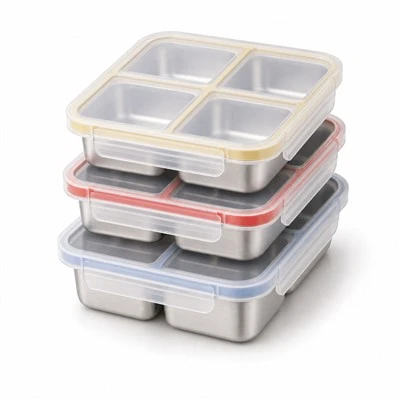
Stainless Steel Bento Box References:
- Food and Agriculture Organization of the United Nations. (2019). Cleaning and Maintenance of Stainless Steel Equipment.
- Journal of Food Protection. (2021). Effect of Alkaline Cleaning Agents on Burnt Food Residue Removal from Metal Surfaces.
- International Stainless Steel Forum. (2020). Care and Maintenance of Stainless Steel Cookware.
- U.S. Department of Agriculture. (2018). Hard Water Stain Removal: Home Remedies and Best Practices.
Shaoxing Dongke Electric Heating Technology Co., Ltd.
With abundant experience, we are one of the most professional stainless steel cookware manufacturers and suppliers in China. We warmly welcome you to wholesale bulk customized stainless steel cookware from our factory. If you have any enquiry about quotation, please feel free to email us.
Address: Room 209, North of Sanjiang Road (Workshop No. 4), Mashan Subdistrict, Yuecheng District, Shaoxing City, Zhejiang Province
E-mail: Salesengineer@marscoat.com
WebSite: https://www.marscoat-technology.com/
