When it comes to the metal processing industry, slitting lines are essential pieces of equipment. They are used to cut wide coils of metal into narrower strips with precise widths. As a trusted slitting lines supplier, I often get asked about the price range of slitting lines. In this blog post, I’ll delve into the factors that influence the price and provide a general overview of what you can expect in terms of cost. Slitting Lines
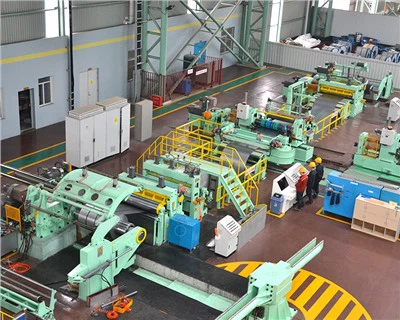
Factors Affecting the Price of Slitting Lines
1. Line Capacity and Width
One of the primary factors that determine the price of a slitting line is its capacity and the maximum width of the coils it can handle. Larger capacity slitting lines that can process wider and thicker coils are generally more expensive. For example, a slitting line designed to handle coils up to 1,000 mm in width might be in the lower – end price range, while a line capable of handling coils up to 2,000 mm or more will be significantly costlier. This is because larger equipment requires more robust construction, larger motors, and more advanced control systems to ensure smooth and efficient operation.
2. Automation Level
The level of automation in a slitting line also has a significant impact on its price. Manual slitting lines, which require more operator intervention for tasks such as coil loading, blade adjustment, and strip stacking, are usually less expensive. On the other hand, fully automated slitting lines are equipped with advanced sensors, programmable logic controllers (PLCs), and robotic systems. These automated features not only improve the accuracy and efficiency of the slitting process but also reduce labor costs in the long run. However, the initial investment for a fully automated slitting line can be quite high.
3. Cutting Quality and Precision
The quality and precision of the slitting process are crucial, especially for industries that demand high – quality metal strips. Slitting lines that can achieve very accurate strip widths, smooth edges, and minimal burrs are often more expensive. To ensure high – quality cuts, these lines may be equipped with precision blades, advanced blade holders, and sophisticated control systems that regulate the cutting process. For applications where tight tolerances are required, such as in the electronics or automotive industries, investing in a high – precision slitting line is necessary, but it will come at a higher price.
4. Material Compatibility
Slitting lines are designed to process different types of metals, including steel, aluminum, copper, and stainless steel. Some slitting lines are specifically engineered to handle a single type of metal, while others are more versatile and can process multiple materials. Slitting lines that can handle a wider range of materials usually require more advanced tooling and control systems to adjust for the different physical properties of each material. As a result, these multi – material slitting lines tend to be more expensive than single – material ones.
5. Brand and Manufacturer Reputation
The brand and reputation of the manufacturer also play a role in the pricing of slitting lines. Well – established manufacturers with a long history of producing high – quality equipment often charge more for their products. This is because they have invested heavily in research and development, have strict quality control measures in place, and offer better after – sales service. While choosing a well – known brand may cost more upfront, it can provide peace of mind in terms of reliability, durability, and technical support.
General Price Range of Slitting Lines
Based on my experience as a slitting lines supplier, here is a general price range for different types of slitting lines:
1. Entry – Level Manual Slitting Lines
Entry – level manual slitting lines are suitable for small – scale metal processing operations or businesses with limited budgets. These lines typically have a lower capacity, with the ability to handle coils up to around 600 – 800 mm in width. They often require more manual labor for operation and may have basic cutting precision. The price of these entry – level manual slitting lines can range from $20,000 to $50,000.
2. Semi – Automated Slitting Lines
Semi – automated slitting lines offer a good balance between cost and efficiency. They usually have a higher capacity than entry – level manual lines, capable of handling coils up to 1,200 – 1,500 mm in width. These lines may include some automated features such as automatic blade adjustment or coil feeding systems. The price of semi – automated slitting lines typically falls in the range of $50,000 to $150,000.
3. Fully Automated High – Precision Slitting Lines
Fully automated high – precision slitting lines are designed for large – scale metal processing facilities that require high – volume production and strict quality control. These lines can handle wide and thick coils, with a maximum width of 2,000 mm or more. They are equipped with advanced automation systems, precision cutting tools, and sophisticated control systems. The price of fully automated high – precision slitting lines can start from $150,000 and go up to several million dollars, depending on the specific requirements and features of the line.
Customization and Additional Costs
It’s important to note that the prices mentioned above are general estimates, and the actual cost of a slitting line can vary significantly depending on customization requirements. Many customers may need a slitting line that is tailored to their specific production needs, such as a unique coil width, a specific cutting speed, or special material handling requirements. Customizing a slitting line will add to the overall cost, as it requires additional engineering and design work.
In addition to the purchase price of the slitting line, there are also other costs to consider. These include installation fees, training for operators, and ongoing maintenance and repair costs. Installation can be a complex process, especially for larger and more automated slitting lines, and may require professional technicians. Operator training is essential to ensure the safe and efficient operation of the equipment, and it may also incur additional charges. Regular maintenance and prompt repair services are necessary to keep the slitting line in good working condition and minimize downtime, which can also impact the total cost of ownership.
Making the Right Investment Decision
When considering purchasing a slitting line, it’s crucial to evaluate your specific production requirements, budget, and long – term goals. While it may be tempting to opt for the lowest – priced option, it’s important to remember that a high – quality slitting line can offer better performance, reliability, and cost – effectiveness in the long run.

If you’re unsure about which slitting line is the best fit for your business, our team of experts is here to help. We can provide detailed consultations, offer customized solutions, and assist you in making an informed decision. We understand that every metal processing operation is unique, and we are committed to providing the best equipment and service to meet your needs.
Slitting Lines If you’re interested in learning more about our slitting lines or discussing your specific requirements, please reach out to us for a quotation and a chance to discuss your procurement needs. We look forward to the opportunity to partner with you and help you take your metal processing business to the next level.
References
- "Metal Processing Equipment Handbook", Industry Publishing Group, 2020
- "Advanced Manufacturing Technologies in the Metal Industry", Research Institute of Manufacturing, 2021
- "Guide to Slitting Line Selection", Metal Processing Association, 2019
Shanghai HOYO Industries Co., Ltd.
Shanghai HOYO Industries Co., Ltd. is one of the most professional slitting lines manufacturers and suppliers in China, featured by quality products and competitive price. Please rest assured to buy cheap slitting lines for sale here from our factory. Contact us for customized service.
Address: No.8, Jianding Road, Fengjing Town, Jinshan District, Shanghai, China
E-mail: info@hoyomachinery.com
WebSite: https://www.hoyomachinery.com/
