Hey everyone, thanks for stopping by! I’m Mia, and I run a small woolen-spun yarn supply business—if you’ve ever ordered from a indie dyer, handmade sweater maker, or even a small batch knitwear brand, you might’ve worked with yarn like what we produce. Lately, I’ve gotten so many questions from customers and fellow creators: “Is woolen-spun yarn actually sustainable?” It’s such a loaded question, and I get why folks are asking—everyone’s trying to make greener choices these days, right? But here’s the thing: sustainability isn’t a yes/no checkbox, especially with yarn. It’s messy, it has layers, and the answer depends on a million small choices we make every step of the way, from the sheep farm to the skein you hold in your hands. Let’s break this down like I’m chatting over a cup of tea, no jargon, just real talk from someone who’s got dirt under her fingernails and a shelf full of broken loom parts. Woolen-spun Yarn
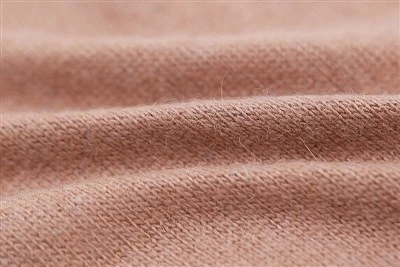
First, let’s get clear on what woolen-spun yarn actually is, because a lot of people mix it up with worsted-spun, and that difference is huge for sustainability. If you’ve ever knit a chunky, cozy sweater that’s a little fuzzy, with that soft, halo-y texture that looks like it’s got a tiny cloud around it? That’s almost definitely woolen-spun. The process is way different from worsted—worsted is super smooth, tightly plied, made for things like tailored suits or fine socks. Woolen starts with carding fibers loosely, not aligned straight like worsted. That loose carding means the fibers are packed randomly, so when you spin them, they trap little air pockets. That’s why woolen yarn is so warm, so soft, and even more insulating when it gets a little damp (game changer for winter hikes or rainy days). But the process also uses a bit more fiber per yard than worsted, right? Because those air pockets take up space. So right off the bat, that’s a trade-off—cozy for a little more raw material use. But wait, that extra fiber is a good thing in the long run, because woolen items are way more durable than people give them credit for. A hand-knit woolen sweater can last 50 years if you care for it, way longer than fast fashion acrylic stuff that pills and falls apart in two washes. That’s a sustainability win, but we can’t ignore the upfront part.
Now let’s start at the source—sheep, because that’s where all wool starts. I work with a family farm in western Pennsylvania that raises Herdwicks and Corriedales, not the super high-production Merinos you see on big factory farms. Why? Because those breeds are hardy, they graze on open pasture instead of being kept in tiny pens or fed massive amounts of grain. Let’s be real: all sheep farming has an impact, but not all is equal. Factory farms (the ones that supply most of the cheap yarn you find at big box stores) overgraze, use way more water than they need, and often treat sheep with routine antibiotics just to keep them alive in overcrowded conditions. Our farm does rotational grazing—they move the sheep to a new patch of grass every couple weeks, so the land doesn’t get worn out, and the sheep get fresh, nutrient-dense food. That cuts down on feed costs, no grain needed, and keeps the soil healthy. Also, the farm doesn’t use any synthetic fertilizers on their pastures, so the whole system is closed-loop as much as possible. Wait, but what about methane? Sheep are ruminants, so they do produce methane, same as cows. But here’s the thing: the methane from pasture-raised sheep is part of a natural cycle. The grass they eat pulls carbon out of the atmosphere, and the methane they release is broken down by soil bacteria faster than fossil fuel methane from factories. A 2021 study from the University of California found that sheep raised on pasture for wool and meat have a lower carbon footprint than most synthetic fibers like acrylic or polyester, because synthetics are made from fossil fuels and take hundreds of years to break down. That’s a big point I bring up with customers all the time—wool isn’t perfect, but it’s way better than plastic-based yarn.
Next step: shearing and processing, which is where most of the “dirty work” of yarn production happens. Once the sheep are sheared (we only shear once a year, usually in late spring, so the sheep don’t get too hot in summer), the wool comes off in big fleeces. The first step is skirting—pulling out the dirty bits, like grass seeds, manure, or stained parts. On our farm, we skirt by hand, because machine skirting wastes a lot of good fiber. Then we send the clean fleece to a small mill in upstate New York, not a huge overseas factory. Why small mill? Oversized mills run 24/7, use tons of energy, and often source from anywhere, so you can’t trace the wool back to the farm. Our mill uses hydroelectric power from a nearby river, and they treat their wastewater on site with natural plants, not harsh chemicals. They also don’t use any synthetic dyes—all our yarn is dyed with plant-based dyes, from indigo and madder root to walnut hulls. That’s another sustainability win: synthetic dyes are super toxic, they run off into rivers and kill aquatic life. Plant-based dyes break down naturally, and if there’s any runoff from the dye baths, it’s just harmless plant matter that doesn’t hurt the water. Wait, but some plant dyes use a lot of water, right? Yeah, so we limit the amount of water we use—we recirculate 80% of our dye water, and only use it once or twice before it’s safe to send to the local treatment plant. That’s a detail most suppliers don’t talk about, but it matters.
Now the actual woolen spinning part, which is what I do in my small workshop. Let’s get real here: spinning woolen yarn is way more energy-intensive than spinning worsted, because woolen fibers are looser, so you have to spin slower to keep them from breaking. We use electric spinning wheels, but they’re super efficient—each wheel uses less energy than a light bulb. A lot of people ask why we don’t use manual wheels, and while that would cut energy use even more, it’s not scalable for small suppliers like me, and honestly, manual spinning is way harder on the hands, so I can’t spin more than a few skeins a day. But even with electric, the carbon footprint here is tiny compared to the farm and dye parts. Also, since woolen yarn is so versatile, people use less of it per project than they would for worsted, right? For a sweater, you might need 6 skeins of woolen yarn vs 7 of worsted, because the halo makes it look thicker. That’s another small win.
But let’s not sugarcoat the downsides, because sustainability is about being honest. The big one for woolen yarn is that it’s more expensive than synthetic or even worsted yarn, which makes it less accessible for people on tight budgets. That’s a problem—handmade, sustainable goods shouldn’t be only for wealthy knitters. We try to help by selling smaller skeins for test swatches, and we run discounts for schools or community craft groups that teach knitting to kids. Another downside: wool can be scratchy, especially if it’s from coarse breeds. We process our wool to make it softer, but if you have super sensitive skin, it might still irritate. That’s why we also offer a merino blend woolen yarn, but we only use organic merino from a small farm in New Zealand that meets strict animal welfare standards. Blends are a tricky thing too—if you blend wool with synthetic, it cuts down on the wool’s ability to biodegrade, so we only do blends with other natural fibers, like cotton or linen, that break down easily.
Wait, what about end-of-life? That’s the part everyone forgets, right? A lot of people care about production, but what happens when you’re done with the yarn? Woolen yarn is 100% biodegradable, unlike acrylic which just sits in a landfill for centuries. I’ve seen old woolen sweaters from the 1950s that you can still felt and use for something new—they’re almost as good as when they were made. We also have a program where customers can send back their old yarn or knit pieces, and we either upcycle it into new skeins or donate it to local craft groups. That’s a closed-loop system, which is way more sustainable than throwing things away. We don’t do this for PR, it just makes sense—why waste good fiber?
Another thing that’s been on my mind lately: fast fashion’s take on woolen yarn. You can buy a skein of woolen yarn at Walmart for $3, but that’s not real wool. It’s a blend with plastic, or it’s from sheep that were raised in terrible conditions, and the processing uses so much water and energy that the actual carbon footprint is way higher than our small-batch stuff. A lot of those cheap wool-blend yarns also pill like crazy, so they don’t last, which defeats the whole purpose. I always tell customers: if you buy a $3 skein, you’re probably throwing it away after one project. If you buy a $15 skein that lasts for years, that’s way more sustainable in the long run.
Let’s talk about what we’re doing to make it even better, because sustainability is never “done.” Last year, we switched to 100% recycled packaging—all our skeins come in cardboard tubes, no plastic wrap, and the shipping labels are compostable. We also started a monthly “scrap share” for small crafters who need just a little bit of yarn for a small project, so they don’t have to buy an entire skein. That cuts down on waste, because most people end up throwing away half a skein after a big project. We’re also working with our farm to switch to solar panels on their barn, which would cut their carbon footprint even more. It’s slow, it’s expensive, but every little step adds up.
I know a lot of people are cynical about “sustainable” products these days, like it’s just a marketing buzzword. I get that—there are so many brands that greenwash, saying their product is eco-friendly when it’s really not. That’s why I’m so open about our process: anyone who wants to visit the farm or the mill is welcome, I post photos on Instagram of the sheep, the skirting process, the dye vats. If you’re a knitter or a brand looking for a yarn supplier, I don’t just want you to buy from us because we’re “sustainable”—I want you to buy from us because you know exactly where your yarn comes from, and we’re transparent about our flaws. We’re not perfect, but we’re trying, and that’s more than most big brands do.
So how sustainable is woolen-spun yarn? It’s not a perfect solution, but it’s way more sustainable than most alternatives, if you source it the right way. It’s better than plastic yarn, it lasts way longer, it can be part of a closed-loop system, and if you work with ethical farms and small mills, you’re supporting local people, not giant corporations that exploit animals and workers. But it’s not for everyone—if you’re looking for a cheap, one-time project, maybe woolen-spun isn’t for you. If you want something that will last you a lifetime and not hurt the planet, it’s a great choice.
If you’re a knitter who’s tired of yarn that pills or comes from unknown sources, or a small brand looking for a reliable, ethical woolen-spun yarn supplier, I’d love to chat. We can talk about your project, show you samples, and work out what’s right for you. Sustainability isn’t just about making products that don’t hurt the planet—it’s about building relationships, and that’s what we do here.
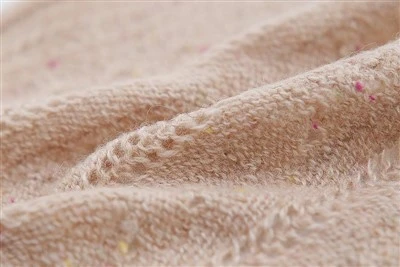
Woolen-spun Yarn with Colored Flecks References:
- University of California, Davis. (2021). Carbon Footprint of Wool vs. Synthetic Fibers: A Comparative Life Cycle Assessment.
- Textile Institute. (2020). Sustainable Practices in Small-Scale Wool Processing and Spinning.
- Journal of Cleaner Production. (2019). End-of-Life Impacts of Natural vs. Synthetic Textile Fibers.
- American Wool Growers Association. (2022). Rotational Grazing Benefits for Pasture-Based Sheep Systems.
Huangshan Aotai Textile Co., Ltd.
As one of the most professional woolen-spun yarn manufacturers and suppliers in China, we’re featured by quality products and good service. Please rest assured to wholesale bulk premium woolen-spun yarn in stock here and get quotation from our factory. We also accept customized orders.
Address: Development Zone, Bei’an Town, She County, Huangshan City, Anhui Province
E-mail: aotaifangzhi2007@163.com
WebSite: https://www.cn-aotai.com/
