When I first started working as a non woven bag supplier 12 years ago, I made a rookie mistake: I thought my job was just to make quality bags and wait for customers to find me. Back then, everyone was printing big logos on plain polypropylene and calling it a win. But over the years, I’ve watched the market shift—big brands that once laughed at reusable packaging now corner 30% of their product lines with non woven options, and small local businesses come to me begging for bags that don’t feel like afterthoughts. Marketing non woven bags isn’t just about selling a product; it’s about selling a solution that solves two big problems: plastic waste and the need for durable, affordable carryalls. Today, I’m pulling back the curtain on what actually works for us, from the mistakes we’ve fixed to the strategies that turned our small workshop into a go-to supplier for cafes, grocery chains, and e-commerce brands across the region. Non Woven Bag
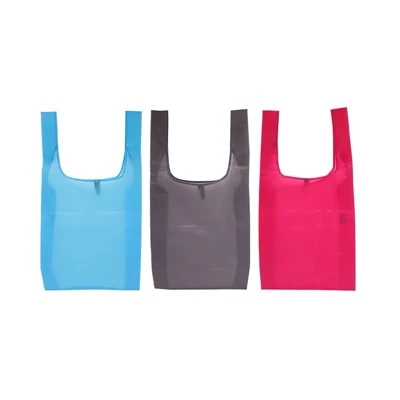
First, let’s get one thing straight: non woven bags aren’t a commodity. Too many suppliers hide behind the generic “they’re reusable” pitch, but customers (whether they’re big box stores or a family-owned bakery) don’t care that your bag is slightly thicker or comes in more colors than the guy down the street. What they care about is how that bag fits their unique brand story. Take our client, a small specialty coffee roaster in Portland, for example. When they came to us, they wanted a bag to hold their 1-pound whole bean bags for customers who buy directly from their roastery. We didn’t just send over a standard 10×12 inch bag—we sat down with their owner, learned their brand was all about “zero-waste, small-batch community,” and worked with them to add a small pocket for a coffee tasting guide inside the bag, plus a reinforced bottom that could hold up to 15 pounds of beans without breaking. That small customization turned a basic carryall into a part of their customer experience. Now, when their regulars bring the bags back to refill at the roaster, they’re not just returning a container—they’re participating in the brand’s mission. That’s the kind of value that turns a one-time order into a 50,000-bag annual contract.
So how do you stop marketing your non woven bags as a throwaway item and start marketing them as a brand asset? It starts with targeting the right customers, not just any customer. For a long time, we wasted time pitching to big corporate brands that only cared about the lowest per-unit cost, which meant cutting corners on fabric quality to beat competitors. Those deals were temporary, and when a cheaper supplier popped up, they jumped. Now, we focus on two core customer groups: mission-driven small businesses and mid-sized brands that are actively shifting away from single-use plastic. Mission-driven small businesses—think zero-waste stores, organic grocery chains, local boutiques, and craft breweries—already have a built-in audience that cares about sustainability. They’re willing to pay 10-15% more for a bag that aligns with their values, and they’ll spread the word about your brand too. Mid-sized brands, meanwhile, are often constrained by corporate sustainability goals but don’t have the in-house resources to design custom packaging. We host a quarterly workshop for these brands, walking them through how to calculate the long-term cost savings of non woven bags vs. single-use plastic. For example, a grocery chain might spend $0.10 per single-use plastic bag, which gets thrown away after one use. A non woven bag from us costs $0.80, but if a customer reuses it 10 times, that’s just $0.08 per use—half the cost of plastic. Once brands see those numbers, it’s a no-brainer.
Next, you need to build credibility as a supplier, not just a vendor. In the non woven space, there are a lot of fly-by-night companies that promise fast turnaround and low prices but deliver bags that fall apart after two uses, or worse, aren’t actually recyclable or biodegradable. We’ve had customers come to us after a bad experience with another supplier, and the first thing they say is, “We don’t want to make the same mistake again.” So we prioritize transparency in every part of our operation. We post photos and short videos of our factory floor on our social media, showing workers cutting fabric, printing logos, and doing quality checks before bags leave the warehouse. We also share third-party test results for our materials: all our non woven bags are made from 100% polypropylene that’s recyclable, and we offer a line of 100% recycled non woven bags made from post-consumer plastic bottles. A few years ago, we added a “sustainability score” to every product page on our website, breaking down how many plastic bottles are used to make a bag, how many times it needs to be reused to be better than plastic, and even the carbon footprint of production. That level of detail doesn’t just build trust—it positions us as experts, not just another supplier. When a brand is comparing two vendors, they’ll always choose the one that can prove their product is actually the sustainable solution they’re looking for.
Then there’s the power of showcasing real use cases, not just pretty mockups. I’ve seen too many suppliers use stock photos of non woven bags on a beach or a coffee table, which doesn’t tell a customer what their bag will actually look like in the wild. We’ve built a library of case studies with every client we work with, from the small coffee roaster to a regional grocery chain. For example, when a grocery chain in Seattle switched to our non woven bags for their checkout, we worked with them to track customer feedback: in the first month, 60% of customers said they noticed the bags were sturdier than the old plastic ones, and 25% said they’d started bringing their own reusable bags more often because of the chain’s switch. We turned that data into a case study that we share with prospective clients, and it’s been our most powerful sales tool. We also send free sample bags to prospective clients, but not just a plain white bag with a demo logo—we send a bag that looks exactly like the one they’d order, with a small sample of fabric, a test run of the printing, and a note from our team asking them to use it for a week. When a boutique owner tells us, “I used your bag for a weekend pop-up, and customers kept asking where they could buy the bags themselves,” that’s way more convincing than any sales pitch.
Another strategy we’ve embraced is co-creating with our clients, not just taking their orders. Too often, suppliers treat client requests as a one-way transaction: you tell me what size you want, I make it. But the best partnerships happen when you bring ideas to the table. Last year, a local craft brewery wanted custom non woven bags to hold their 6-pack cans for festivals. They were initially thinking of a standard 6-pack carrier, but we suggested adding a gusset to the bottom so the bag could hold up to a 12-pack, which gave them more flexibility for other events. We also suggested a water-resistant coating that would protect the cans if it rained at an outdoor festival, a feature the brewery hadn’t even considered. That small addition made the bag a hit at their events, and the brewery ended up ordering 10,000 more bags for their year-round retail sales. Co-creating like this doesn’t just make your client’s product better—it makes them feel like they’re part of the process, not just another number. It also gives you a portfolio of unique designs that you can use to attract other clients.
Don’t sleep on the little details that make your brand stand out. In a crowded market, it’s the small things that stick with customers. For us, that means a few key touches: first, every order comes with a small insert card that explains how to clean and reuse the bag (we even add a fun fact, like “A single non woven bag can replace up to 500 plastic bags over its lifetime”). Second, we offer custom packaging for the bags themselves, so when a brand receives their order, the bags are folded neatly and come in a branded box that’s ready to store in their warehouse. Third, we have a flexible return policy for small orders—if a brand isn’t happy with their sample, they can return it for a full refund, no questions asked. A few months ago, a small online boutique was nervous about ordering 1,000 bags because they’d had bad experiences with returns on previous orders. We told them they could order 200, test them, and if they worked, we’d send the rest, and if not, they could send the unused ones back. They ended up loving the bags, and now they’re one of our top repeat clients. Those little gestures build loyalty, and loyalty is the backbone of a sustainable supply business.
Now, let’s talk about the mistakes we made along the way, because no marketing strategy is perfect. Early on, we focused too much on big national brands, chasing the huge orders that would get our name out there. But those brands often have rigid procurement rules that prioritize cost over quality, and the relationships are impersonal. We lost a big national grocery chain contract a few years ago when a cheaper supplier undercut us, and that hurt. We learned that small, loyal clients are worth more than one-off big contracts, because they’ll refer other clients and give us consistent feedback. We also used to rely solely on trade shows and print catalogs to get new business, but in the last five years, most of our new clients come from social media and word of mouth. We stopped spending money on expensive trade show booths and started investing in Instagram and TikTok, where we post behind-the-scenes videos of our factory, client spotlights, and tips on how businesses can use non woven bags to boost their brand. That shift cut our marketing costs in half and doubled our number of inquiries.
So what does all this mean for you, whether you’re a new non woven bag supplier or looking to refine your marketing? It boils down to three core truths: first, your product isn’t just a bag—it’s a piece of your client’s story. Second, transparency and expertise will beat generic “sustainable” claims every time. Third, the best marketing comes from building real relationships, not just making sales.
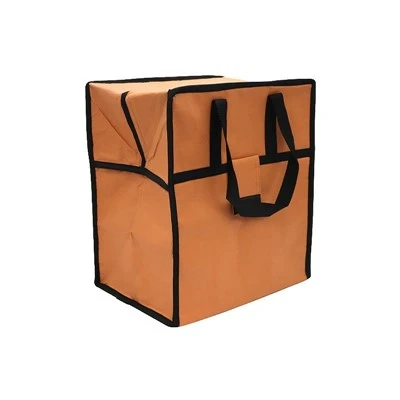
If you’re a business owner looking to switch to non woven bags that fit your brand, or you’re a fellow supplier who wants to talk through what’s worked for your business, I’m here to help. We’ve worked with every kind of brand, from small local shops to large retail chains, and we’d love to hear about your needs. Reach out to our team to discuss your project, and we’ll help you create a bag that’s durable, aligned with your values, and makes your customers proud to carry it.
PP Woven Bag References
Chouinard, Y. (2016). Let My People Go Surfing: The Education of a Reluctant Businessman. Penguin Press.
Ellen MacArthur Foundation. (2022). The New Plastics Economy: Rethinking the Future of Plastics. World Economic Forum.
Nielsen, A. C. (2021). Sustainability in Packaging: Consumer Preferences and Market Trends. Nielsen Holdings.
Smith, J. (2020). “Reusable Packaging as Brand Equity.” Journal of Sustainable Business, vol. 15, no. 2, pp. 45-62.
Wenzhou Hangyi Packing Co., Ltd.
As one of the most professional non woven bag manufacturers and suppliers in China, we also support customized service. Please rest assured to wholesale bulk durable non woven bag in stock here from our factory. If you have any enquiry about pricelist, please feel free to email us.
Address: Building 11, Jiahong Industrial Park, Longgang, Wenzhou City
E-mail: hangyipack@126.com
WebSite: https://www.hangyipack.com/
