
 Español


Suzhou Desan Wire Co., Ltd.
Add: 4#, Chuangxin Middle Rd, Yinghu Industrial Park, Wangting Town, Xiangcheng Districy, Suzhou City, Jiangsu Province, P.R. China (postcode: 215155)




The main production process of wire and cable
Wires and cables are made through three processes: drawing, stranding, and coating. The more complex the style and specification, the higher the repeatability. The specific process is as follows
1. Draw
In metal pressure processing, under the action of external force, the metal is forced through the mold (press wheel), the cross-sectional area of the metal is compressed, and the technical processing method of obtaining the required cross-sectional area shape and size is called metal drawing.
The drawing process is divided into: monofilament drawing and twisting drawing.
2. Stranded
In order to improve the flexibility and integrity of the wire and cable, making more than two single wires intertwined in a prescribed direction is called twisting.
The stranding process is divided into: conductor stranding, cable formation, braiding, steel wire armoring and winding.
3. Cladding
According to the different performance requirements of the wire and cable, special equipment is used to coat different materials on the outside of the conductor. Coating process points:
A. Extrusion: rubber, plastic, lead, aluminum and other materials.
B. Longitudinal package: rubber, corrugated aluminum tape material.
C. Winding: ribbon-shaped paper tape, mica tape, alkali-free glass fiber tape, non-woven fabric, plastic tape, etc., linear cotton yarn, silk and other fiber materials.
D. Dip coating: insulating paint, asphalt, etc.


 Types of New Energy Cables
 Market prospects of new energy cables
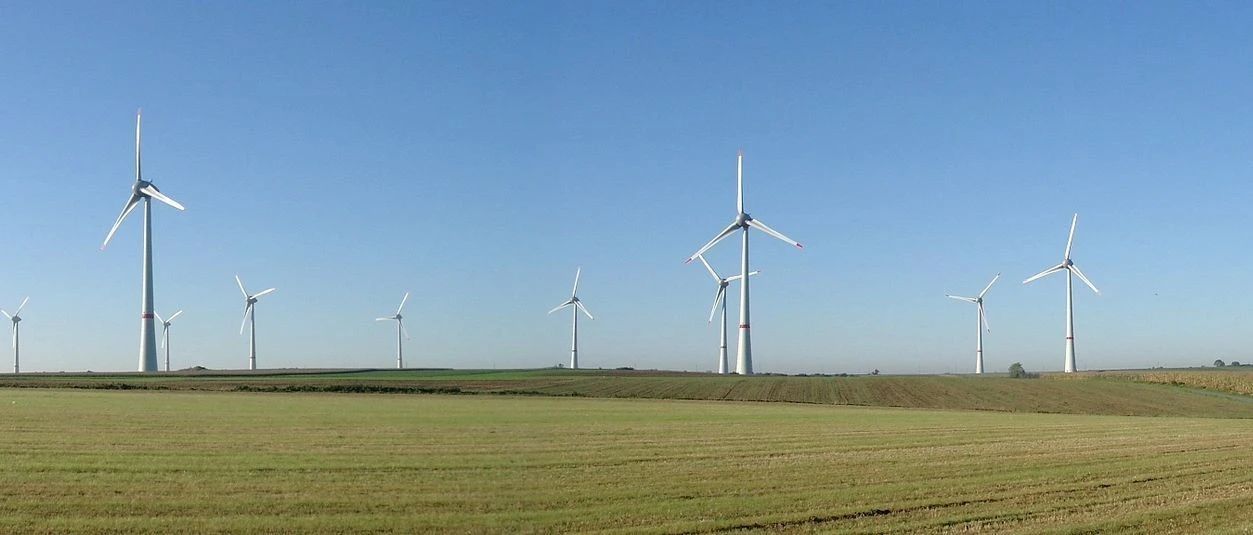 Characteristics and types of wind power cables


