Hey there! As an automation parts supplier, I often get asked about what materials are used to make these parts. Well, let me break it down for you. Automation Parts

Metals
Metals are a go – to material for a whole bunch of automation parts. One of the most common is steel. Steel is super strong and durable. It can handle a lot of stress and wear, which makes it perfect for parts like gears, shafts, and frames. For example, in a robotic arm, the joints and the main structure might be made of steel. It can withstand the repeated movements and heavy loads that the arm has to deal with.
Stainless steel is another great option. It’s resistant to corrosion, so it’s ideal for parts that are exposed to harsh environments. In food processing automation, where there’s a lot of moisture and chemicals, stainless – steel parts are a must. They won’t rust or degrade over time, ensuring the long – term reliability of the equipment.
Aluminum is also widely used. It’s lightweight but still has good strength. This makes it suitable for parts where weight is a concern, like in aerospace automation. The lower weight helps to reduce energy consumption and improve the overall efficiency of the system. Plus, aluminum is easy to machine, which means we can create complex shapes for different automation applications.
Plastics
Plastics have come a long way in the world of automation. One popular plastic is polycarbonate. It’s transparent, strong, and has good impact resistance. You’ll often find polycarbonate used in protective covers for sensors and control panels. It allows operators to see what’s going on inside while protecting the sensitive components from damage.
Acrylonitrile Butadiene Styrene (ABS) is another common plastic. It’s tough, rigid, and has a nice finish. ABS is often used for making housings for automation devices. It can be molded into various shapes, and it’s relatively inexpensive, which is great for mass – producing parts.
Polyethylene is known for its chemical resistance and low friction. It’s used in parts like conveyor belts and guides. The low friction helps the materials move smoothly along the conveyor, reducing wear and tear on the system.
Ceramics
Ceramics are used in specific automation applications where high – temperature resistance and electrical insulation are required. For example, in some semiconductor manufacturing automation, ceramic parts are used in heating elements and insulators. They can withstand extremely high temperatures without deforming, and they don’t conduct electricity, which is crucial for preventing short – circuits in sensitive electronic equipment.
Zirconia is a type of ceramic that’s often used in precision automation parts. It has excellent mechanical properties, such as high hardness and fracture toughness. This makes it suitable for parts like bearings and cutting tools in automation machinery.
Composites
Composites are materials made by combining two or more different materials to get the best of both worlds. Fiberglass is a well – known composite. It’s made by combining glass fibers with a resin. Fiberglass is lightweight, strong, and has good corrosion resistance. It’s used in parts like enclosures for automation systems, especially in outdoor or corrosive environments.
Carbon fiber composites are also becoming more popular. They’re incredibly strong and lightweight, making them ideal for high – performance automation applications. In racing car automation, carbon fiber parts are used to reduce weight and improve the speed and handling of the vehicle.
Rubber and Elastomers
Rubber and elastomers are used for parts that need to be flexible and have good shock – absorbing properties. In automation, they’re often used in seals, gaskets, and vibration dampers. For example, in a hydraulic system, rubber seals are used to prevent leaks. They can conform to the shape of the components and create a tight seal, ensuring the proper functioning of the system.
Silicone rubber is a popular choice because it has good heat resistance and can maintain its flexibility over a wide range of temperatures. It’s used in applications where the parts are exposed to high – temperature environments, like in some industrial ovens or engines.
Semiconductors
Semiconductors are the heart of many automation systems. Silicon is the most commonly used semiconductor material. It’s used to make integrated circuits (ICs), which are the building blocks of electronic control systems in automation. These ICs can perform a wide range of functions, from simple logic operations to complex data processing.
Gallium arsenide is another semiconductor material. It has some advantages over silicon, such as higher electron mobility. This makes it suitable for high – speed applications, like in communication systems within automation networks.
How We Choose the Right Material
As an automation parts supplier, we have to consider a few factors when choosing the right material for a part. First of all, we look at the function of the part. If it needs to be strong and durable, we might choose steel or a composite. If it needs to be lightweight and flexible, plastics or rubber could be the way to go.
The environment where the part will be used is also crucial. If it’s going to be in a wet or corrosive environment, we’ll pick materials that are resistant to corrosion, like stainless steel or certain plastics. And if it’s going to be exposed to high temperatures, ceramics or heat – resistant polymers might be the best choice.
Cost is another important factor. We want to provide our customers with high – quality parts at a reasonable price. So, we try to find the right balance between the performance of the material and its cost.
Why Our Materials Matter
Using the right materials in automation parts is super important. It ensures the reliability and performance of the automation systems. If we use low – quality materials, the parts might break down quickly, leading to costly downtime and repairs.
For example, if a gear made of a weak material fails in a manufacturing automation line, it can stop the whole production process. But if we use high – quality steel for that gear, it can last for a long time, reducing the maintenance and replacement costs.
Get in Touch for Your Automation Parts Needs
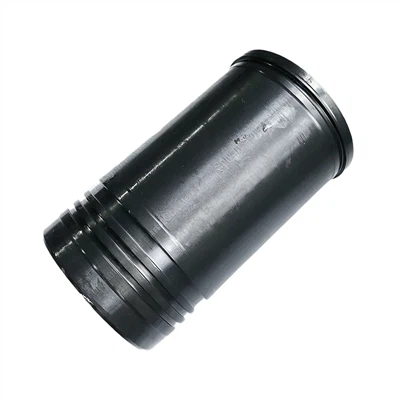
If you’re in the market for automation parts, we’re here to help. We’ve got a wide range of parts made from all these different materials. Whether you need a simple plastic housing or a high – tech semiconductor component, we can provide it.
Construction Machinery Parts We understand that every automation project is unique, so we’re happy to work with you to find the right parts for your specific needs. Just reach out to us, and we’ll have a chat about what you’re looking for. We’re committed to providing top – notch products and excellent customer service. So, don’t hesitate to contact us for all your automation parts requirements.
References
- "Materials Science and Engineering: An Introduction" by William D. Callister, Jr. and David G. Rethwisch
- "Automation, Production Systems, and Computer – Integrated Manufacturing" by Mikell P. Groover
Hubei Kangding Machinery Equipment Co., Ltd.
We’re well-known as one of the leading automation parts manufacturers and suppliers in China, specialized in providing high quality customized products. Please feel free to buy advanced automation parts for sale here from our factory. For pricelist, contact us now.
Address: Qianchang Industrial Park, Jingshan County, Jingmen City, Hubei Province
E-mail: 339248585@qq.com
WebSite: https://www.cnkangding.com/
