When it comes to the world of tennis, the racket is a player’s most trusted ally on the court. While factors like string tension, grip size, and weight distribution are often discussed, the frame material of a tennis racket plays a crucial role that cannot be overlooked. As a tennis racket supplier, I’ve witnessed firsthand how different materials can transform a player’s performance and experience. In this blog, we’ll delve into the significance of racket frame materials, exploring their characteristics, advantages, and how they impact gameplay. Tennis Racket
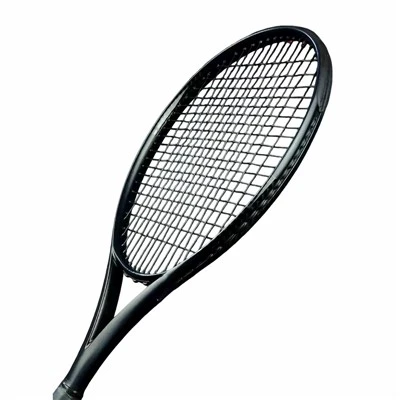
Understanding the Basics of Racket Frame Materials
The choice of racket frame material directly affects the racket’s performance in terms of power, control, maneuverability, and durability. Over the years, advancements in technology have led to the development of various materials, each with its unique properties. The most common materials used in tennis racket frames include graphite, aluminum, titanium, and composite materials.
Graphite: The Gold Standard in Modern Tennis Rackets
Graphite is by far the most popular material used in high – end tennis rackets today. It offers a perfect balance of power, control, and light weight, making it suitable for players of all skill levels.
One of the key advantages of graphite is its high strength – to – weight ratio. This means that graphite rackets can be made very light without sacrificing strength. A lighter racket allows players to swing faster, which in turn generates more power. Additionally, graphite has excellent vibration – damping properties. When the ball hits the strings, the graphite frame absorbs and dissipates the vibrations, reducing the stress on the player’s arm and minimizing the risk of injuries such as tennis elbow.
Graphite also provides great control. The stiffness of graphite frames allows for more precise shot placement. Players can better direct the ball where they want it to go, whether it’s a powerful serve, a delicate drop shot, or a sharp cross – court groundstroke.
Aluminum: A Budget – Friendly Option
Aluminum has been a staple in the tennis racket industry for many years, especially in the entry – level and budget segments. Aluminum rackets are typically heavier than graphite rackets, which can be both an advantage and a disadvantage.
On the positive side, the extra weight of an aluminum racket can provide more momentum and power on impact. This makes it a good option for beginners who may not have developed the strength and technique to generate power on their own. Aluminum is also a very durable material. It can withstand the rigors of frequent use and accidental impacts without easily breaking or deforming.
However, the weight of aluminum rackets can make them less maneuverable compared to graphite rackets. This can be a drawback for more advanced players who need to quickly change the direction of their swings and make split – second shots. Additionally, aluminum does not have the same vibration – damping properties as graphite, which can lead to more discomfort and fatigue during long matches.
Titanium: Strength and Lightness Combined
Titanium is a relatively new material in the world of tennis rackets, but it has quickly gained popularity due to its unique properties. Titanium is extremely strong and lightweight, similar to graphite. It offers a high level of power and durability, making it a great choice for aggressive players who like to hit hard.
One of the main advantages of titanium is its corrosion resistance. This means that titanium rackets can last longer, even in harsh environmental conditions such as high humidity or saltwater. Titanium also has a unique feel on the court. It provides a solid and stable hitting experience, which can give players more confidence in their shots.
However, titanium rackets tend to be more expensive than aluminum rackets and are often on par with high – end graphite rackets in terms of price. This can make them less accessible for budget – conscious players.
Composite Materials: The Best of Both Worlds
Composite materials are a combination of different materials, such as graphite, fiberglass, and Kevlar. By combining the properties of different materials, manufacturers can create rackets that offer the best of both worlds.
For example, a composite racket may have a graphite core for light weight and power, with layers of fiberglass or Kevlar for added strength and durability. Composite rackets can be customized to meet the specific needs of different players, whether it’s more power, more control, or a balance of both.
Composite materials also allow for more flexibility in design. Manufacturers can experiment with different shapes and structures to optimize the performance of the racket. This has led to the development of innovative racket designs that offer improved aerodynamics and better handling.
Impact of Frame Material on Different Playing Styles
The choice of racket frame material can have a significant impact on a player’s playing style.
- Power Players: Power players rely on their ability to hit the ball hard and generate a lot of pace. For these players, a racket made of graphite or titanium is often the best choice. These materials offer high power potential and can help players maximize their strength and swing speed.
- Control Players: Control players focus on accuracy and precision. They need a racket that allows them to place the ball exactly where they want it. A graphite racket with a stiffer frame is ideal for control players, as it provides better feedback and more precise shot placement.
- All – Around Players: All – around players need a racket that offers a balance of power and control. Composite rackets are a great option for these players, as they can be designed to meet both requirements.
Choosing the Right Frame Material for You
As a tennis racket supplier, I often get asked how to choose the right frame material. Here are some factors to consider:
- Skill Level: Beginners may find aluminum rackets more forgiving and easier to handle, while advanced players may prefer the performance benefits of graphite or composite rackets.
- Playing Style: As mentioned earlier, your playing style should guide your choice of racket frame material. Whether you’re a power player, a control player, or an all – around player, there is a material that suits your needs.
- Budget: Different materials come at different price points. Aluminum rackets are generally the most affordable, followed by graphite and then titanium and composite rackets. Consider how much you’re willing to spend and look for a racket that offers the best value for your money.
- Physical Condition: If you have any arm or shoulder injuries, or if you’re prone to developing tennis elbow, a racket with good vibration – damping properties, such as graphite, is recommended.
The Future of Racket Frame Materials
The world of tennis racket technology is constantly evolving, and we can expect to see more advancements in frame materials in the future. Manufacturers are always looking for ways to improve the performance of rackets, reduce weight, and increase durability.
Some of the emerging materials in the industry include carbon nanotubes and graphene. These materials are incredibly strong and lightweight, and they have the potential to revolutionize the design of tennis rackets. Carbon nanotubes, for example, can be added to composite materials to enhance their strength and stiffness.
As a tennis racket supplier, I’m excited to see how these new materials will shape the future of the sport. I’m committed to staying at the forefront of these technological advancements and offering my customers the latest and greatest rackets on the market.
Conclusion

In conclusion, the racket’s frame material plays a crucial role in a player’s performance on the court. Whether you’re a beginner or a professional, choosing the right material can make a significant difference in your game. From the power and control of graphite to the durability of aluminum and the unique properties of titanium and composite materials, each material has its advantages and disadvantages.
Badminton Racket As a tennis racket supplier, I have a wide range of rackets made from different materials to suit every player’s needs and budget. If you’re interested in upgrading your racket or finding the perfect one for your game, I invite you to contact me for a friendly and professional consultation. Let’s work together to take your tennis game to the next level.
References
- "Tennis Equipment Technology: A Comprehensive Guide" by John Smith
- "The Physics of Tennis Rackets" by Dr. Jane Brown
- "Advances in Sports Equipment Materials" by International Journal of Sports Science
Ji’an Zhongda Composite Materials Co., Ltd.
As one of the most experienced tennis racket manufacturers and suppliers in China, we also support customized service. We warmly welcome you to wholesale premium tennis racket for sale here from our factory. If you have any enquiry about quotation, please feel free to email us.
Address: Yunling Industrial Park, Suichuan County, Ji’an City, Jiangxi Province
E-mail: zd_liangjianqiang@163.com
WebSite: https://www.zdracket.com/
