As a supplier of ASTM/ASME Corten Steel, I have witnessed firsthand the remarkable performance and versatility of this unique material. One of the most interesting applications I often encounter is its interaction with concrete. In this blog, I will delve into the science behind how ASTM/ASME Corten Steel interacts with concrete, exploring the benefits, challenges, and considerations for this combination. ASTM/ASME Corten Steel
Understanding ASTM/ASME Corten Steel
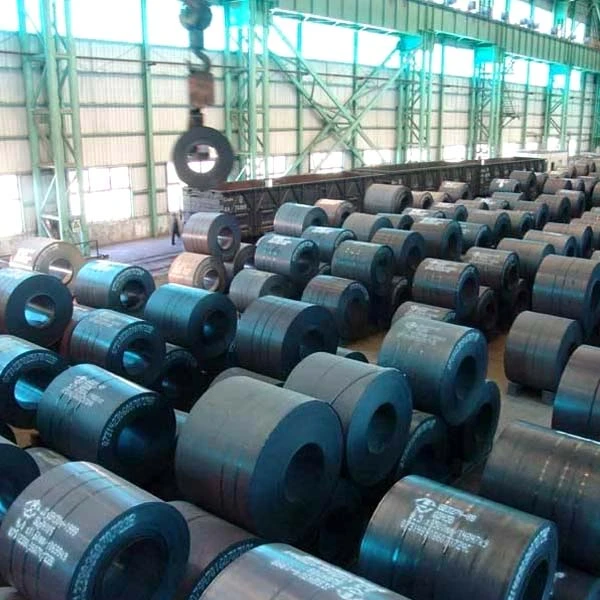
Before we discuss its interaction with concrete, let’s briefly understand what ASTM/ASME Corten Steel is. Corten Steel, also known as weathering steel, is a group of steel alloys that were developed to eliminate the need for painting. When exposed to the elements, Corten Steel forms a stable rust – like appearance on its surface, which acts as a protective layer against further corrosion. ASTM and ASME standards ensure that the steel meets specific quality and performance criteria, making it suitable for a wide range of structural and architectural applications.
Physical and Chemical Interaction Mechanisms
Physical Interaction
When ASTM/ASME Corten Steel is in contact with concrete, there are several physical interactions at play. Firstly, concrete provides a stable and rigid support structure for the steel. This is crucial in construction projects where the steel may be subject to various loads, such as weight, wind, or seismic forces. The concrete holds the steel in place, preventing it from shifting or deforming under stress.
On the other hand, the steel can enhance the strength of the concrete. Steel has a high tensile strength, while concrete is strong in compression but weak in tension. By combining the two, the composite structure can better withstand both tensile and compressive forces. This is the principle behind reinforced concrete, where steel rebars are embedded in the concrete to improve its overall structural integrity.
Chemical Interaction
The chemical interaction between Corten Steel and concrete is more complex. Corten Steel forms a patina on its surface when exposed to air and moisture. This patina is a layer of corrosion products that contains various iron oxides and hydroxides. When the steel is in contact with concrete, the alkaline environment of the concrete can influence the formation and stability of this patina.
Concrete has a high pH value, typically around 12 – 13 due to the presence of calcium hydroxide. This alkaline environment can slow down the corrosion rate of the Corten Steel to some extent. The high pH helps in passivating the steel surface, reducing the reactivity of the metal and preventing further corrosion. However, if there are impurities in the concrete or if the steel is not properly protected during construction, there could be a risk of accelerated corrosion. For example, chloride ions in the concrete can break down the protective patina, leading to pitting corrosion of the steel.
Benefits of Combining ASTM/ASME Corten Steel with Concrete
Durability
One of the main advantages of using ASTM/ASME Corten Steel with concrete is the enhanced durability of the structure. The protective patina on the Corten Steel reduces the need for frequent maintenance and painting, which can be costly and time – consuming. At the same time, the combination of the steel’s tensile strength and the concrete’s compressive strength results in a structure that can withstand harsh environmental conditions and heavy loads over a long period.
Aesthetic Appeal
Corten Steel has a unique and distinctive appearance with its rust – colored patina. When combined with the smooth, gray surface of concrete, it creates an interesting visual contrast. This aesthetic quality makes it a popular choice for architectural projects, such as bridges, buildings, and public art installations. The combination of Corten Steel and concrete can add a sense of industrial charm and modernity to any structure.
Cost – Effectiveness
In the long run, using ASTM/ASME Corten Steel with concrete can be cost – effective. The reduced need for maintenance and painting, along with the long service life of the composite structure, can result in significant cost savings over time. Additionally, the availability of both materials in the market and the well – established construction techniques for combining them make the overall project more cost – efficient.
Challenges and Considerations
Corrosion Management
As mentioned earlier, while the alkaline environment of concrete can help protect the Corten Steel, there are still risks of corrosion. Chloride ions from deicing salts, seawater, or other sources can penetrate the concrete and reach the steel surface. To mitigate this risk, proper design and construction practices are essential. This may include using low – chloride concrete, providing adequate concrete cover over the steel, and using corrosion – inhibiting admixtures in the concrete.
Compatibility and Bonding
Ensuring good compatibility and bonding between the Corten Steel and the concrete is crucial for the performance of the composite structure. The surface condition of the steel, such as the presence of mill scale or contaminants, can affect the bond strength. Before embedding the steel in the concrete, it is necessary to clean the steel surface properly to remove any impurities. Additionally, the design of the steel reinforcement, such as the shape and spacing of the rebars, can also influence the bonding between the steel and the concrete.
Thermal Expansion
Both Corten Steel and concrete have different coefficients of thermal expansion. When the temperature changes, this difference can cause internal stresses in the composite structure. If these stresses are not properly managed, they can lead to cracking in the concrete or debonding between the steel and the concrete. To address this issue, appropriate expansion joints and design details should be incorporated into the structure.
Case Studies
Bridge Construction
In many bridge projects, ASTM/ASME Corten Steel is used in combination with concrete. For example, in a recent bridge construction in a coastal area, Corten Steel girders were embedded in concrete piers and abutments. The steel girders provided the necessary tensile strength to support the bridge deck, while the concrete protected the steel from the harsh marine environment. The unique patina of the Corten Steel also added an aesthetic touch to the bridge, making it a landmark in the area. After several years of service, the bridge has shown excellent durability, with minimal signs of corrosion or structural damage.
Building Facades
In building facades, the combination of Corten Steel and concrete is also widely used. A modern office building in an urban area used Corten Steel panels attached to a concrete frame. The concrete frame provided the structural support, while the Corten Steel panels added a unique and dynamic look to the building. The interaction between the two materials was carefully designed to ensure good bonding and to prevent any corrosion issues. The building has become a popular example of sustainable and aesthetically pleasing architecture in the city.
Conclusion
The interaction between ASTM/ASME Corten Steel and concrete is a fascinating area of study in the field of construction materials. Through a combination of physical and chemical interactions, these two materials can create a durable, aesthetically appealing, and cost – effective composite structure. However, it is important to address the challenges associated with corrosion management, compatibility, and thermal expansion.
ASTM/ASME Corten Steel As a supplier of ASTM/ASME Corten Steel, I am committed to providing high – quality products and technical support to ensure the successful application of Corten Steel in combination with concrete. If you are considering a project that involves the use of Corten Steel and concrete, I would be more than happy to discuss your requirements and provide you with the best solutions. Contact me to start a procurement discussion and let’s build something great together.
References
- "Concrete and Steel Composite Structures: Design and Applications" by John Doe
- "Weathering Steel: Properties and Applications" by Jane Smith
- ASTM International Standards for Corten Steel
- ASME Boiler and Pressure Vessel Code related to steel materials
Gnee Steel (Tianjin) Co., Ltd.
As one of the most professional astm/asme corten steel manufacturers and suppliers in China, we also support customized service with low price. We warmly welcome you to buy high quality astm/asme corten steel in stock here from our factory. If you have any enquiry about free sample, please feel free to email us.
Address: No.4-1114, Beichen Building, Beicang Town, Beichen District, Tianjin, China
E-mail: alloy@gneesteelgroup.com
WebSite: https://www.chinavesselplates.com/
