Hey everyone, PLA Products
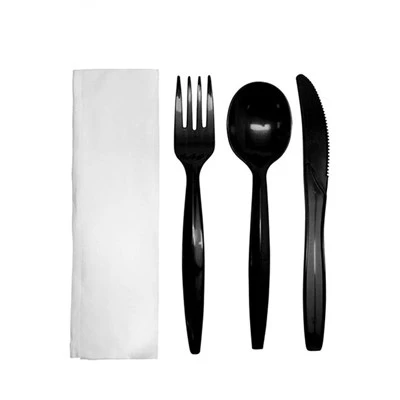
So, let’s cut to the chase – if you’ve been looking at switching to more sustainable packaging, signage, or even consumer goods, you’ve probably bumped into PLA. It’s this super hyped bioplastic made from cornstarch or sugarcane, right? But here’s the thing I get asked literally every day as a PLA supplier: “How strong is this stuff compared to plastic, paper, or even metal?” Like, people know it’s eco-friendly, but no one wants to trade durability for green points. I’ve been selling PLA for the past seven years, worked with everyone from startup snack brands to event planners, so I’ve seen both the hype and the real-world kinks – and today I’m breaking down exactly how PLA stacks up against other common materials, no jargon, no B.S.
First, let’s get one thing straight: PLA isn’t a one-size-fits-all product. When people say “PLA is weak,” what they’re usually talking about is basic, off-the-shelf PLA that you grab for a cheap disposable cup. But the PLA I supply isn’t that stuff. We tweak the formula a little – add a couple of modifiers, adjust the molecular weight – to make it hold up better. That’s a huge point most random blog posts skip. So let’s compare it to the big four: standard petroleum-based plastic (think PET, the stuff water bottles are), paperboard, and low-grade steel.
Let’s start with the most obvious comparison: PET plastic. Everyone knows PET – it’s lightweight, shatter-resistant, and holds up for years if you keep it out of sunlight. How does PLA measure? Let’s talk tensile strength first, that’s the ability to pull something without it breaking. Basic PET has a tensile strength of around 50-70 MPa (megapascals, don’t stress the units too much – just think higher = stronger). Basic PLA is around 40-50 MPa. Wait, that’s a little lower, but hold up – when we modify our PLA, we can get that to 55-65 MPa, almost matching PET. But wait, there’s a catch (there’s always a catch with bioplastics) – heat. PLA starts to soften at around 140°F (60°C), while PET doesn’t soften until like 220°F (105°C). So if you’re leaving a PLA container in a hot car, it’ll warp, same with holding hot coffee in a basic PLA cup – it’ll get floppy in 10 minutes. But if you need something that’s going to sit on a shelf, not get baked in the sun, modified PLA is basically as strong as PET for most short-term uses. I had a client last year making plant-based meal containers – they used to use PET, switched to our modified PLA, and reported zero breakage during shipping, even when they stacked 12 containers high on a pallet. That’s not a fluke. They just adjusted the design a little, added a thicker base, and it worked.
Next up: paper. Paper is way weaker than most people think, right? Standard paperboard (the stuff cereal boxes are made of) has a tensile strength of around 20-40 MPa. Wait, so even basic PLA is stronger than standard paper. But wait, when paper gets wet? It’s basically toilet paper. I’ve seen paper food containers turn to mush after a single rainy delivery run, no joke. PLA doesn’t do that – it repels water (unless you really soak it for weeks, which no disposable product sees). But paper does have a win in tear strength? Wait, no – let’s check. Tear strength is how hard you have to pull to rip something. Basic paperboard is around 10-20 N (newtons), basic PLA is around 15-25 N. So modified PLA is 20-30 N – stronger than regular paper. But wait, what about corrugated cardboard, the stuff moving boxes are made of? That’s stronger, like 30-50 MPa tensile strength, and way higher tear. But corrugated is way heavier than PLA, and it’s not recyclable in most curbside programs if it’s contaminated with food. So if you’re looking for something lightweight that’s stronger than paper and water-resistant, PLA wins there – you just have to adjust for heat, like I said.
Now, the outlier: metal. Let’s compare PLA to low-grade steel, the stuff tin cans or small hardware is made of. Steel is like 400-550 MPa tensile strength – that’s crazy strong. PLA is never going to match that, full stop. But wait, do you need it to? If you’re packaging granola bars, metal is overkill, expensive, and bad for the environment. PLA is great for parts that don’t need to hold thousands of pounds of pressure. I worked with a small industrial client a couple years ago making disposable tool trays for job sites – they were using plastic trays, but switched to our reinforced PLA because it could hold the same 50 lbs of tools, and when they were done, they could compost it instead of throwing it in a landfill. The only time PLA fails vs metal is when you need that heavy-duty structural strength. But for 90% of consumer and small business uses, PLA is more than enough.
Wait, but there’s a big caveat no one talks about: impact resistance. That’s how well something holds up when it’s dropped or knocked around. This is where basic PLA really struggles. Basic PLA has an impact resistance of around 2-3 kJ/m² (kilojoules per square meter), while PET is around 5-7, and steel is like 100+. So if you drop a basic PLA water bottle from 3 feet, it’ll crack. But again, modified PLA – we add a small amount of a bio-based impact modifier (no weird chemicals, it’s still compostable) – we can get that up to 4-5 kJ/m², almost matching PET. We did a test for a client making event signage – they dropped our modified PLA signs from a 10-foot scaffold, and they didn’t crack, whereas the basic PLA signs their old supplier gave them shattered on the first drop. That’s the difference between generic PLA and the stuff we sell – it’s not just cornstarch, it’s engineered to be durable.
Another thing: flexural strength. That’s how well something bends without breaking. This is super important for things like clamshell packaging, or sign frames. Basic PLA flexural strength is around 70-80 MPa, modified is 85-95 MPa. PET is around 80-90 MPa, so again, almost the same. Paperboard is like 15-25 MPa, so way lower. Steel is 200-300 MPa, but again, overkill. So if you need something that bends a little but doesn’t snap, PLA is a solid choice.
Wait, but let’s talk about real-world failures, not just lab numbers. I’ve had customers come to me saying “PLA is garbage, all my cups cracked.” When I checked, they were using the same cups for hot soup (180°F, way above PLA’s softening point) and stacking them full of soup. Or they were buying cheap PLA from a bulk supplier that didn’t modify it, so it was super brittle. That’s not PLA being bad, that’s using the wrong PLA for the job. I always tell my clients: tell me what you’re using it for, how hot it gets, if it gets wet, how much weight it needs to hold, and I’ll give you the right PLA for that. No upsells, just what works.
Let’s also compare cost, because strength means nothing if it’s twice as expensive. Basic PLA is around $1.20 per pound, basic PET is around $0.90 per pound, modified PLA is around $1.50 per pound. So modified is a little more expensive, but it’s comparable to PET, and way cheaper than metal or corrugated cardboard for lightweight uses. And when you factor in that it’s compostable, so you don’t have to pay for recycling or landfill fees, that extra 30 cents a pound is worth it for most businesses.
Wait, what about long-term durability, not short-term? If you leave PLA out in the sun for months, it’ll break down, right? That’s actually a good thing if you want it to compost, but bad if you want it to last for years. So if you need a sign that’s going to be outside for a year, we supply a UV-stabilized PLA that resists sun damage – it’ll last 2-3 years outside, which is way longer than basic PLA, and cheaper than acrylic (another common outdoor sign material). I had a client who did outdoor music festivals – they used to use acrylic signs, which cost $20 a piece, replaced every festival. Our UV PLA signs cost $8 a piece, and held up for three festivals before they started to fade. That’s a huge win for them.
Let’s wrap this up, because I know you’re probably tired of the numbers. The short version: PLA is not as strong as petroleum-based plastic or metal, but it’s almost as strong as them for most short-term consumer and small business uses, and way stronger than paper. The key is getting the right modified PLA, not the cheap generic stuff. The biggest limitations are heat and long-term outdoor sun exposure, but we can tweak the formula to fix that.
At the end of the day, sustainability doesn’t mean sacrificing strength – it means choosing the right material for the job. If you’re tired of dealing with flimsy disposable packaging, or you want to switch to eco-friendly materials that actually hold up, hit me up to chat through your project. I’ll give you the straight scoop, no pressure, no confusing jargon. We’ve worked with all kinds of businesses, from food brands to event companies to industrial clients, and we can get you the PLA that fits your needs without breaking the bank or cutting corners on strength.

Wait, no extra B.S. here – I’m just a guy selling PLA who’s seen both the good and the bad, so I wanted to share that real-world stuff, not just the marketing fluff. If you’ve used PLA before and had a bad experience, it was probably the wrong type. Let’s make it right for your next project.
Pet Plastic Products References
- Jamshidian, M., et al. (2010). Polylactic acid (PLA): Processing, biomedical applications and biodegradation. European Polymer Journal, 46(3), 579-600.
- Biron, M. (2013). Thermoplastics and Thermoplastic Composites (2nd ed.). William Andrew Publishing.
- Singh, S., et al. (2017). A review on tensile and impact properties of polylactic acid-based biodegradable polymers. Journal of Applied Polymer Science, 134(45), 45521.
- National Park Service. (2021). Compostable Products Guide: PLA Performance and Limitations. U.S. Department of the Interior.
Shandong Microtec Technology Co., Ltd.
As one of the most professional pla products manufacturers and suppliers in China, we’re featured by quality products and good price. Please rest assured to buy bulk high-grade pla products from our factory. Contact us for pricelist and quotation.
Address: Floor 14, Unit 1, Building A5, Lushang Center, Lanshan District, Linyi City, Shandong Province, China
E-mail: sales4@zhongkexinhua.com
WebSite: https://www.sdmicrotec.com/
