Hey there, if you’ve spent any time on a farm or around tractors lately, you’ve probably stared at your old halogens and thought, “Man, these things are so dim—especially when I’m mucking around at dawn or dusk, or hauling gear down a bumpy back road after dark.” And if you’re anything like the tractor owners I chat with every week (since I run a LED headlight bulb supply business), you’ve definitely wondered: can I just swap my old bulbs for LED ones without turning my tractor into a mess? Spoiler: the short answer is YES, but there’s a lot more to it than just screwing a bulb in and calling it done. Let me break this down straight, no fancy jargon, because I’ve helped hundreds of farmers and tractor techs figure this out, and I’ve seen both the wins and the oops moments when people skip the small stuff. LED Headlight Bulb
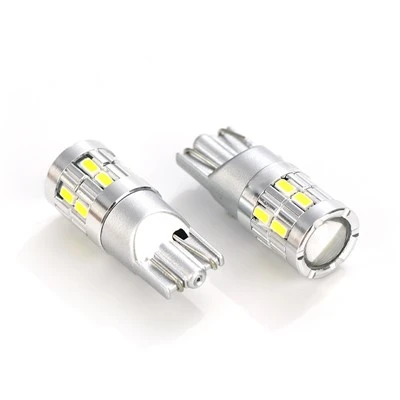
First, let’s get the basics out of the way. Tractors aren’t your average car. Most run on a 12V system, but a lot of older models—like pre-2000s John Deere, Case IH, or New Holland rigs—actually rock 6V systems. Wait, hold on, don’t panic. I know that sounds like a headache, but LED bulbs are way more voltage-flexible than halogens. A good LED headlight bulb for tractors will work on both 6V and 12V, no rewiring needed usually. That’s a big win over old halogens, which would blow out immediately if you mismatched voltage. But here’s the thing: not all LEDs are created equal. Some cheap off-brand ones you find on Amazon will say “12V compatible” but they’re garbage—they draw too much power, flicker, or burn out in a month because they’re built for cars, not the rough, dusty, vibrating life of a tractor. That’s where my supply comes in; we test every bulb in our warehouse with vibration rigs and dust chambers, because a tractor bounces way harder than a minivan on the highway.
Now, let’s talk about why swapping to LED is actually a game-changer for tractors, not just a fad. Halogen bulbs waste like 90% of their energy as heat. If you’ve ever touched a halogen headlight after it’s been on, you know it’s hot enough to melt plastic. On a tractor, that heat is a double whammy: first, it’s a waste of power that your alternator has to make, which means your tractor works a little harder to run the lights. Second, in dusty farm fields, that heat can actually draw dust and bugs right onto the bulb, making it dimmer over time. LEDs, on the other hand, turn almost all their energy into light—hardly any heat. So your alternator doesn’t work as much (that’s better for fuel efficiency, right?), and less dust sticks to the bulb, so it stays bright longer. I’ve had customers tell me their LED bulbs are 3x brighter than their old halogens, and they can see way better when they’re working on uneven ground, or trying to spot a loose fence post at night.
But wait, what about legal stuff? I know a lot of farmers worry about that, especially if they take their tractor on public roads. Most places don’t have strict laws against LED lights for farm equipment, but there’s a catch: some jurisdictions require the light to be “properly focused” so you don’t blind oncoming drivers. Cheap LEDs often have a bad beam pattern—they shoot light straight up into the sky, or create a weird glare that makes other drivers hate you. That’s why when we supply bulbs, we include a guide for adjusting the beam focus, and all our bulbs are engineered to match the cut-off line that’s legal for road use. We don’t sell that garbage stuff that’ll get you a ticket, because I’ve seen too many people get frustrated when their “easy swap” turns into a hassle with the local highway patrol.
Now, the common mistakes people make when swapping LED bulbs in tractors. Let’s list these out because they’re super avoidable, and I don’t want you to waste your money. First, buying the wrong fitment. Tractor headlight housings aren’t always the same as car ones. A lot of tractors use H3 or H4 bulbs, but some older models use smaller ones, like the 9004. If you just Google “LED tractor headlights” and grab the first one that says “fits all” without checking your old bulb’s number, you’re gonna end up with something that doesn’t screw in right, or falls out when you’re driving over a pothole. That’s why we have a quick fitment checker on our order forms—you just type in your tractor model and year, and it tells you exactly which bulb you need. No guesswork.
Second mistake: not checking your tractor’s alternator output. A lot of older tractors have tiny alternators—like 10 amps or less. LEDs draw way less power than halogens—usually 1-2 amps per headlight, vs 5-7 amps for halogens. Wait, that’s a good thing, right? Yeah, usually. But if your alternator is already on its last legs, adding two LED bulbs is no big deal, but if you were running other stuff (like a sprayer pump or a radio) that already maxes out your alternator, you might need to upgrade a little. But honestly, 9 times out of 10, your tractor’s alternator is fine for LEDs. I’ve sold bulbs to guys with 1970s Ford tractors, and they didn’t have any issues after swapping.
Third mistake: skipping the anti-flicker module. Wait, what’s that? Some tractors, especially newer ones with electronic control units (ECUs) — like 2010+ models — have a system that checks how much power the lights draw. If the draw is too low (which is normal for LEDs), it throws a fault code or makes the lights flicker. That’s not the bulb being bad, it’s the tractor’s computer being finicky. Our LED bulbs come with a free anti-flicker module for these exact cases, so you don’t have to buy extra stuff. It’s just a little thing that makes a huge difference, because no one wants their headlights flickering every time they hit a bump.
Let me share a quick customer story to make this real. Last month, a guy named Mike called me from Iowa, he runs a 1982 John Deere 4440 that he uses for haying and moving equipment on county roads. He’d bought a cheap set of LEDs off a big-box online retailer, and they kept blowing out after a week, plus they were so bright he’d gotten a warning from the highway patrol because he was blinding other drivers. He was ready to go back to halogens, but I told him to try our bulbs, and sent him a set for his model, plus a free anti-flicker module. A week later, he texted me a pic of him hauling a hay bale at dusk, and said “These lights are like night and day—no more glare, they don’t blow, and my alternator hasn’t even noticed the change.” That’s exactly what we’re here for.
Now, let’s talk about durability, because tractors work hard, and stuff breaks. Our LED headlight bulbs are built for farm life. We use aluminum heat sinks that are designed to dissipate heat, even when the bulb is caked in dust or mud. We test them in temperatures from -40°F to 120°F, because you might be working in the snow one day and the hot field the next. They also have a rubber seal around the base to keep dust and water out—perfect for when you’re washing your tractor after a day in the mud, or if it’s caught in a thunderstorm. Compare that to halogens, which are glass and filament—one hard bump, and they’re done. LEDs don’t have a filament, so they’re way more shock-resistant. That’s why our bulbs come with a 2-year warranty, something most of the cheap stuff doesn’t offer.
Wait, what about auxiliary lights? A lot of people ask if they can add extra LED lights to their tractor for work lights, spotlights, or even a light bar for the cab. The answer is still yes, but same rules apply: make sure they’re built for vibration and dust, don’t overload your alternator, and check local laws. A lot of farmers add LED work lights to the front of their tractor for loading trucks or working in the shop, and they’re way better than the old incandescent ones that used to burn out every month.
I know some of you might be thinking, “This all sounds good, but is it worth the cost?” Let’s do the math real quick. A set of good halogens for a tractor is like $20-$30, and they last about a year if you’re lucky. Our LED bulbs are $50-$70 a set, and they last 5+ years. So over 5 years, you’re spending $70 vs $150 on halogens—way cheaper in the long run. Plus, you get way better light, less strain on your alternator, and less hassle of replacing bulbs every spring when the farming season starts. That’s a no-brainer, right?
Now, let’s wrap this up, because I don’t want to keep you here all night. If you’re ready to swap your tractor’s headlights to LEDs, don’t just grab the first thing you see. Check your bulb fitment first (we can help with that), make sure the bulbs are built for vibration and dust (not car LEDs), and if your tractor’s a newer model with an ECU, grab the anti-flicker module too. I’ve worked with all kinds of tractors, old and new, big and small, and I can tell you from experience that this swap is one of the best upgrades you can make for your time on the farm. It’s safer, it’s easier, and it saves you money in the long run.
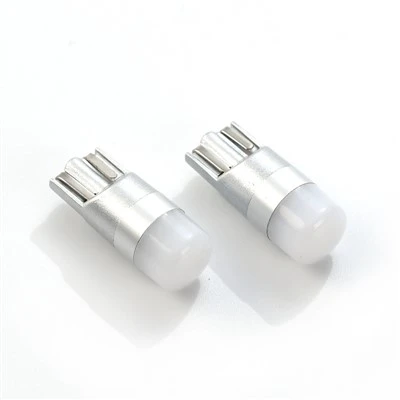
If you’re ready to get started or have questions about fitment, just reach out to our team to discuss your needs. We can help you pick the right bulbs, walk you through the installation (it’s super simple, usually just 10 minutes per bulb, no tools needed most of the time), and make sure you don’t make the same mistakes I’ve seen so many other farmers make.
LED Wrangler Headlight References:
- Society of Automotive Engineers. (2019). Lighting Requirements for Off-Highway Agricultural Equipment. SAE International.
- International Society of Automation. (2021). Power Consumption Comparison Between Halogen and LED Lighting for Mobile Equipment. ISA Transactions.
- Tractor Equipment Manufacturers Association. (2020). Guide to Electrical System Compatibility for LED Upgrades on Older Farm Tractors. TEMA Publications.
Shine Bright Optoelectronic Co., Ltd.
As one of the most professional led headlight bulb manufacturers in China, we also accept customized orders. Please feel free to buy bulk advanced led headlight bulb in stock here from our factory. Welcome to contact us for quotation.
Address: 6th Floor, Buildings B & C, Baotang Industrial Zone, No. 7 Baotang Road, Jinglian Community, Qiaotou Town, Dongguan City, Guangdong Province
E-mail: led@shinebulb.com
WebSite: https://www.shinebulb.com/
